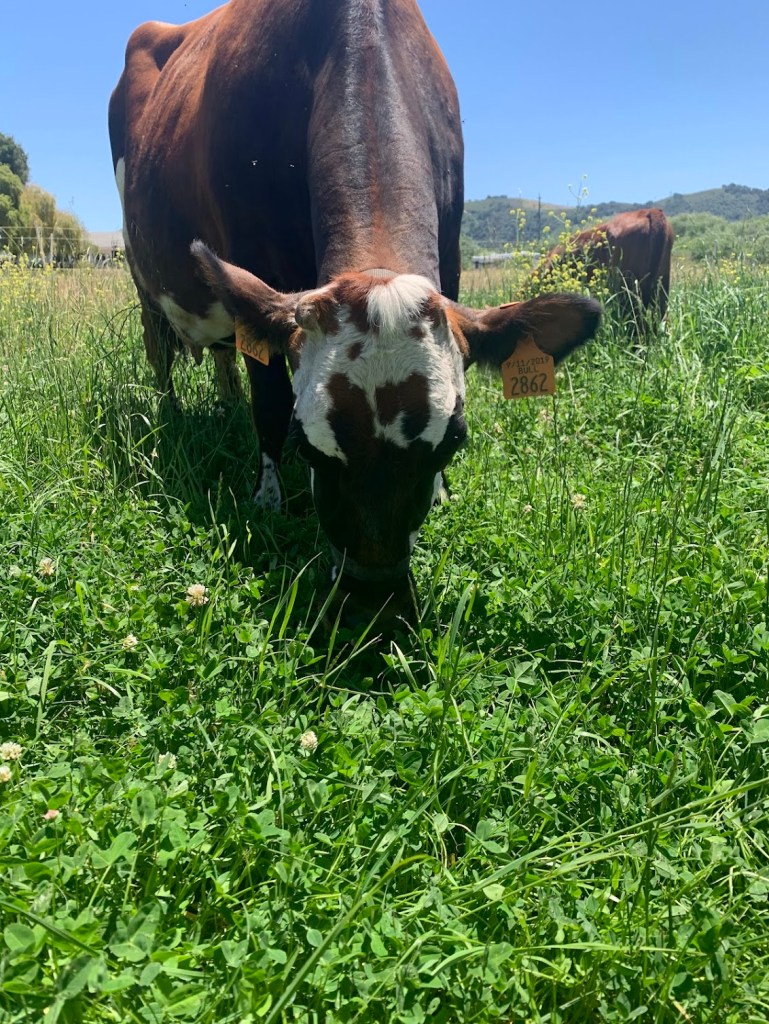
Are you considering jumping into the world of home dairying? Depending on your experience level with livestock, and farming in general, there is much to consider. While the array of skills, supplies and knowledge needed to keep a family cow healthy and thriving is considerable, take heart and know that it can be done! Even if you’re still learning “all the things”.
it starts with a dream
My dream of owning a family milk cow began years before we even owned the property to have one. Sitting in the backyard of our little suburban home, holding my second baby and watching my toddler play in our tiny square food garden, the Lord put the desire on my heart to one day raise our family on land that included a dairy cow. I did not grow up around large livestock, and knew nothing firsthand about caring for such a large animal.
The pursuit of farm-fresh raw milk led me to one of my now dear friends, who generously shared her knowledge and experience with us during our weekly milk pick ups at their ranch. A couple of years later, we found ourselves settling onto our dream property. Not long after we moved, I somehow convinced my husband to jump in with me on the whole family milk cow endeavor. What an adventure it has been! We love our cows (yes plural, because they DO tend to multiply!), and I can say that they are the cornerstone of our little family farm.
Now that you have the dream, where do you start? Here are the most important things I would consider and research BEFORE purchasing a dairy cow.
community is essential
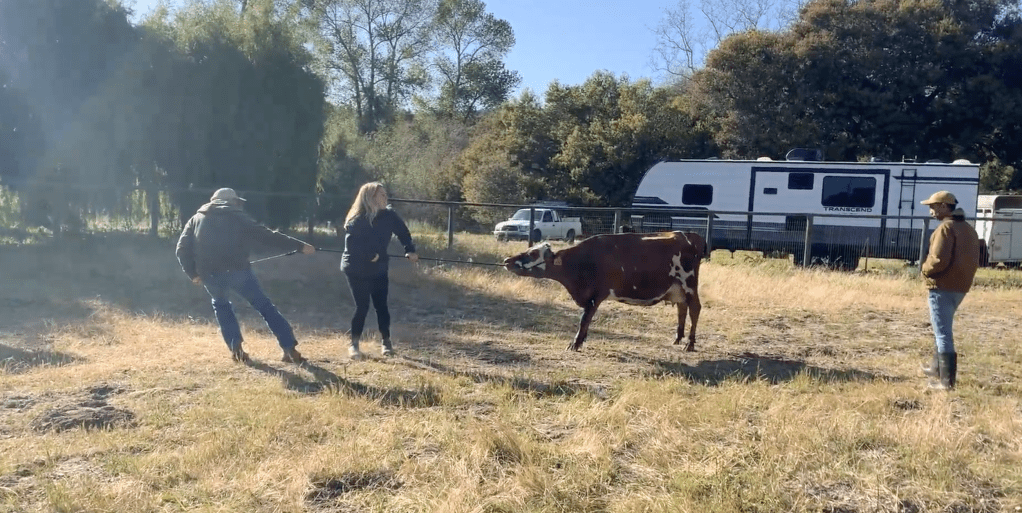
One thing I did diligently before jumping into owning livestock was to pray for connections with people who could help us as we were learning. Boy, did God provide! I kept meeting the most wonderful people that I now consider my “farm community”. Or “Cow-mmunity”. Maybe one day I will coin that term… Anyway, I made connections when buying local farm goods, through our church, our kid’s 4-H club and other local online farming communities. From there, the little social circles keep expanding. The warm and encouraging farming community has been one of the biggest blessings to me in this whole endeavor! The desire to help and see others succeed in self-sustainability is so evident with these people.
Even with all of the hours of research I did, all of the books I read and knowledge I thought I had before we bought our cow, there were still SO MANY little things that came up that first year that I had no clue about. I was so grateful to have a handful of contacts that I was able to text or call, seeking guidance.
how to build a cow-mmunity
If you don’t currently have a farm community, here are a few ways to start building:
- Facebook Groups and Forums: A quick scroll down the main feed of one of these pages, and you will see which group members are quick to share knowledge and truly want to help others. You can also connect with other members who are in the same learning stages as you, and who are most likely having similar experiences to yours. Try searching for local groups in your area.
- 4-H or another local family agriculture program: Anyone running a family agricultural educational program is passionate about sharing information! These clubs usually consist of many families eager to learn and or share wisdom as well. Additionally, whoever is running the club most likely has deep ties with local farmers and ranchers, and would be a valuable resource to have when you are in need of anything livestock related. Part of the mission behind these programs is to teach people and help people set up their space (fencing, shelter, etc.) .
- Farmers Markets: Prioritize shopping and supporting local farmers. Get to know the faces behind the booths. Even though they won’t all necessarily have experience with milk cows, farmers know other farmers. Again, this is about building a network and community.
- Stockholder’s Exchange: This is a wonderful online mentorship and forum run by veterinarian Hue Karreman and regenerative dairy farmer Suzanne Karreman. You can join their membership-based forum to gain access to the online library full of informational videos on everything from what to feed your cow, to how to treat a Staph infection. You will have access to the private online forum, where questions are answered daily by Suzanne and Hue, and valuable information is shared among members. Membership also includes substantial discounts on their elite supplement line and telehealth vet calls. For new homesteaders, this is an extremely valuable community and tool, for about $34 a month.
assess your space
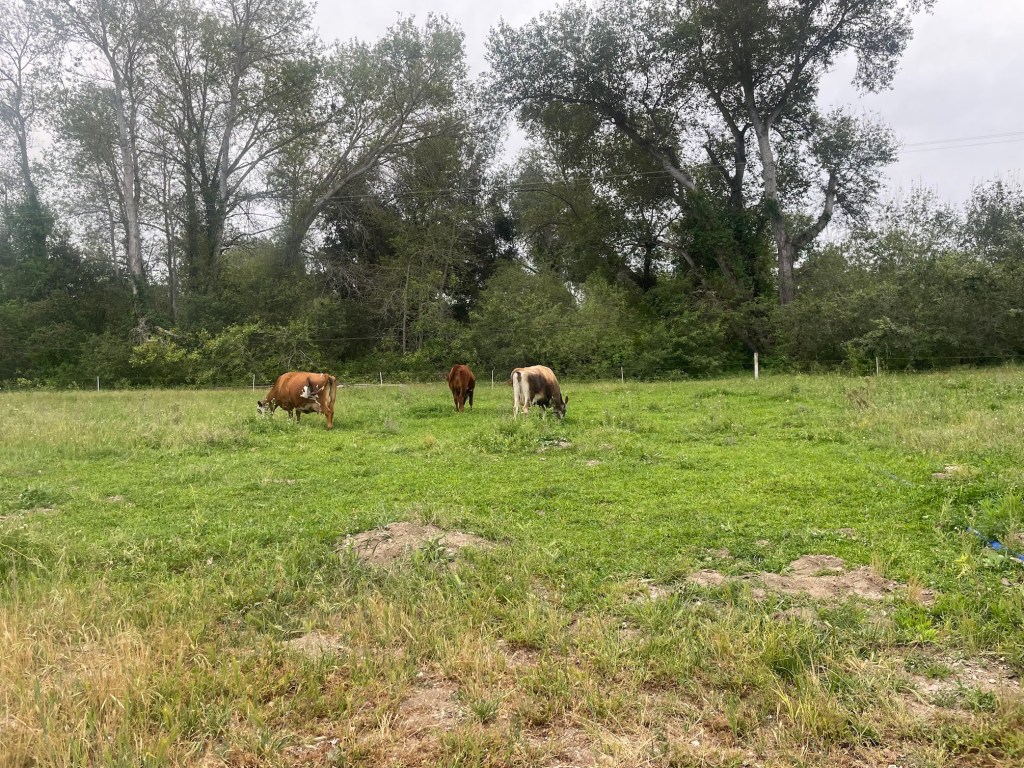
There are many ways to raise and care for dairy cows. The important thing to consider here is that there is no ONE right way to do it. Is there an ideal way to do it? Sure! However, most small scale homesteaders are not equipped with hundreds of acres of abundant pasture land with an assortment of native forage to satisfy the array of nutritional needs for their dairy cow. Would be nice though! The truth is, you can still care for a dairy cow well on just a couple of acres. The work and budget will look different than rotating cattle on open pastures, but it is still manageable. As everyone’s space is unique with both challenges and resources, I will break it down in general terms here, what each set up could look like.
Small, 1-2 acres
For a smaller space, you will ideally have a large holding pen (half an acre or more) with some sort of shelter for your cow. If you live in a harsh weather climate, a 3 sided shelter with a roof would be sufficient, where as in milder climates livestock can manage with as little as a robust tree or other shade source.
Be sure to have a water source nearby, as you will be filling waterers daily. Used stock tanks can be purchased off Facebook Marketplace or Craigslist, or new from your local feed store. Bigger is not ALWAYS better! Though you may be filling a smaller one more often, they are easier to keep clean and algae free. So pick your least favorite chore and decide from there what is best for your set up.
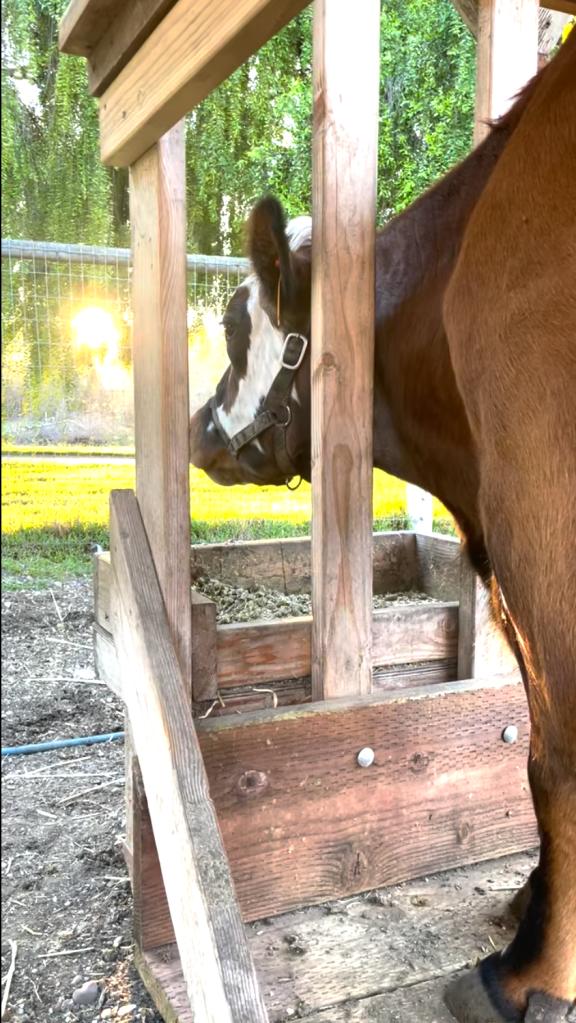
Hay storage will be very important, as keeping an adequate supply on hand is necessary when cows do not have access to fresh pasture. Though a simple wood pallet and tarp cover can be adequate for a small inventory of hay, any amount of trapped moisture will quickly mold and deem bales “unusable” for feed. If possible, a small pole and slanted roof set up would be ideal for safer hay storage. Keeping hay storage close to holding pens will make daily chores less laborious. Just be sure you have plenty of space or a physical barrier between livestock and hay stacks… with enough motivation, they will figure out how to reach it!
Mid-Size, 8-20 Acres
When working with a larger property, you have more options. With as little as 8-10 acres you can seed and establish enough pasture to sustain 1-2 cows for a good chunk of the year! Of course this is climate dependent. The catch- pasture takes TIME. The learning curve can be steep, and the elements can work against you. That being said, it is absolutely doable. Depending on your location, there are many factors to consider when planning out pastures. Soil health is the most important part. Simply put, without good soil, you will not grow good grass. I won’t go into detail about soil health or pasture management in this post, but absolutely do your research to determine best steps for preparing your soil.
While you can turn out cows on a fenced pasture with water access and some shade and they will do fine, it is wise to think ahead about your set up for future calving seasons. Having a small pen with sufficient shelter that is in close proximity to your living space is ideal. When your cow or heifer is in labor or has just calved, you will be monitoring them frequently, and possibly intervening if needed. This is much harder to do while out in the pasture.
Large Ranch
The dream, right?! Large ranches have the potential for a plethora of farming ventures. With the presence of microclimates, soil diversity, multiple water sources and differing terrain, the list goes on. In time you could be rotating cows on fresh pasture AND growing your own hay crops for the dry season. Your biggest asset here will be knowledge. Invest in it. Do the research, hire the consultants, get to know your neighbors-especially the hay farmers!
When setting up your holding pens and birthing areas, keep in mind that predator pressure will be substantially higher in very rural areas. With tens or even hundreds of acres between you and your neighbor, you better believe there will be larger packs of coyotes, and depending on your location, wolves and bears, among other predators. While cattle can defend their young agains a coyote or two in open field, larger packs of 10-20 dogs are crafty and more aggressive, making them a greater threat to your livestock. You will need to consider fortifying your enclosures and investing in a livestock guardian animal.
Milking Set Up
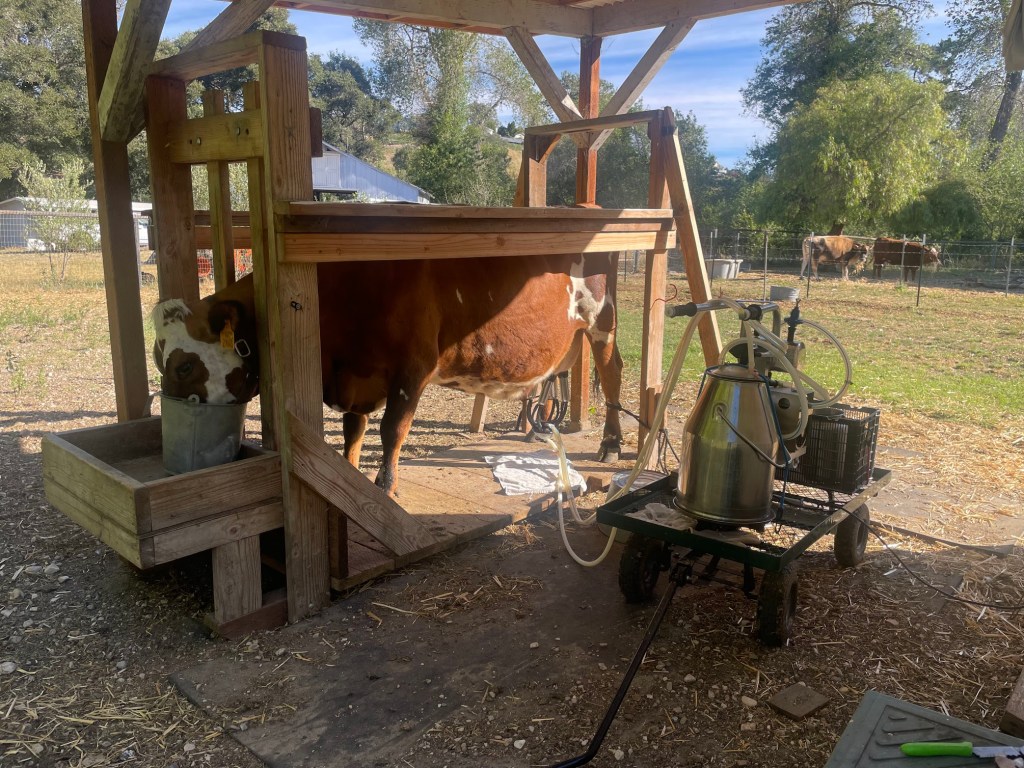
As wonderful as it would be to simply plop down a bucket and milk your cow in the middle of an open field, this simply isn’t the normal with most cows-especially with a cow unfamiliar to you. My ideal set up would look something like this: An adjustable stanchion with a wood plank floor, mounted to a concrete slab, under a roof covered area, outside. Ideally with electricity and water available. If checking every box on this list isn’t possible for your initial set up, that’s ok! Your systems and set ups can (and most likely will be) refined as you learn what works best for you.
the financial commitment
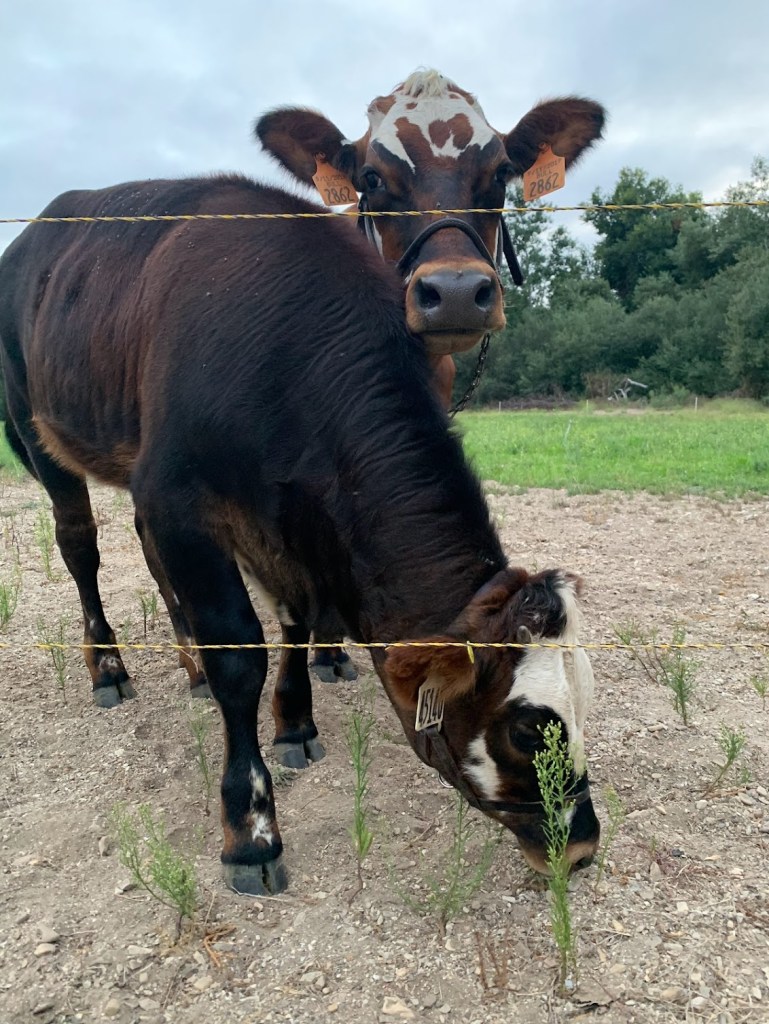
Over time, you will build soil structure to support grass, and cows will start multiplying and can be sold, and there will be milk to be sold, and the expense of “trial and error” will slowly settle. Eventually, you will find that at-home dairying can actually save your family money! However, like most good things, this too will take time. Be sure to set realistic expectations here. The start up costs of owning large livestock can get quite expensive. Assuming that you are starting from scratch here, things to consider when budgeting are:
- Cost of the cow
- Initial structural set up costs (fencing, shelter)
- Equipment and supplies for milking (milking machine, buckets, filters, funnel, jars)
- Feed equipment (water troughs, feed troughs, feed scoops, feed buckets)
- Feed and supplements (look into who your suppliers will be for accurate costs)
- Miscellaneous equipment (halter, lead ropes, curry comb, udder brush, etc.)
- Emergency supplements and treatment kit
- Emergency vet budget
The time Commitment
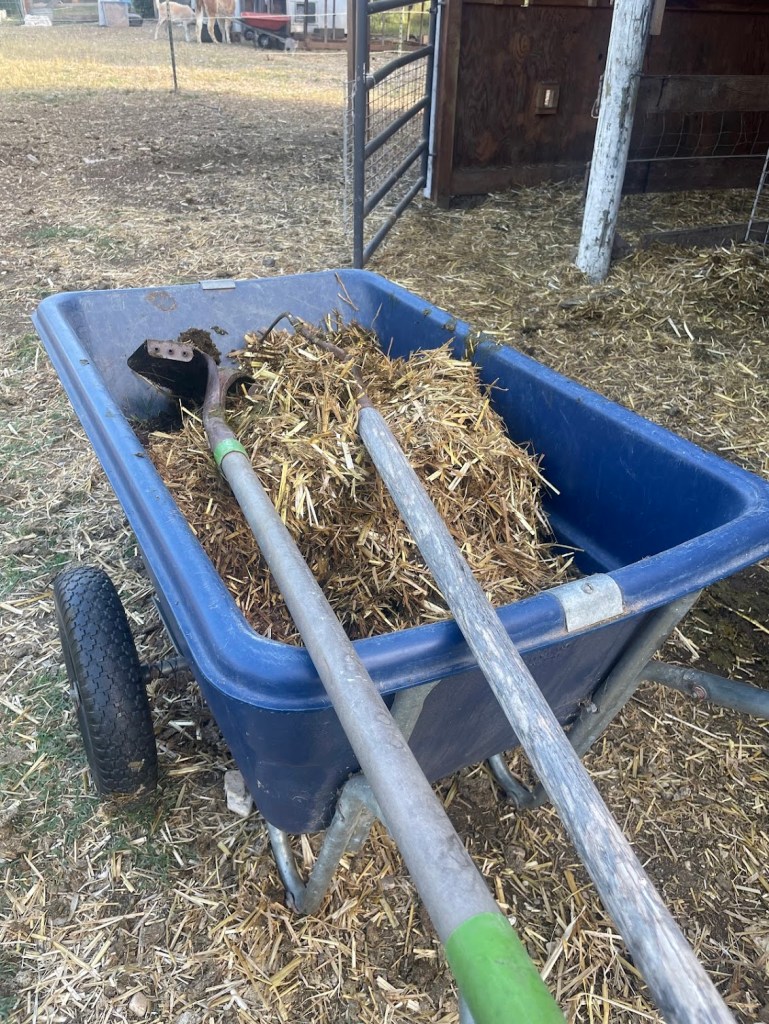
Early mornings, getting up with the sunrise (and before the kids), coffee in hand, and heading out to milk the cow…is one of the most therapeutic ways to start your day. As much as I enjoy romanticizing these parts of cow stewardship, there is a lot of work that goes into owning livestock. As our skills and abilities grow, chores seem easier and less laborious, but it is important to begin this journey with a realistic mindset of the work involved.
Daily milking routine
Depending on whether or not you decide to calf share, you will be milking either one or two times per day. Every cow is different, but for our family we have always calf shared thus far. My milking routine from machine set up to strained milk in the fridge and all parts cleaned, takes on average about 45 minutes. If I am rushing, I can get it done in 30 minutes.
Routine Chores
Everyone’s chore routine will look a little different based on your set up, but in a nutshell, you will need to incorporate these basic tasks:
- Feeding (usually morning and evening)
- Checking and filling waterers, once per day (unless you get freezing temeratures, then more often)
- Cleaning out and replacing bedding. Frequency depends on your set up.
- Milking
- Separating cow and calf (if you milk in the mornings, you will need to separate them in the evenings)
- Tracking your cow’s heat cycle (for breeding purposes)
- Checking and maintaining fences
- Feed runs and maintaining feed/supplement inventory
Pasture Management
If you are planning to keep your cows on fresh grass, pasture management will have it’s own chore routine entirely. We brought our first cows home before establishing any fresh pasture. It was less overwhelming for us to just feed and budget for hay while we adjusted to the learning curve of owning large livestock before taking on the task of learning pasture management as well.
Vacation Planning
How do you leave town when you have a cow in milk? Well, unless you have someone else milking, this is where owning a dairy cow gets tricky. Our experience is a bit unique, but we have a close friend and also one family member who is trained and comfortable milking Margot. Additionally, since we calf share, I can get away with just leaving cow and calf together for a couple of days without milking. With that being said, we have a healthy cow with no history of mastitis or infection. Some cows require strict consistency to avoid udder infections.
On the flip side, depending on your breed of cow, if you have a calm tempered cow (not high maintenance like Margot), you can easily train friends to milk for you while you are gone. My experience has been that people are eager to learn, and happy to help in exchange for fresh milk!
Breeding Plan
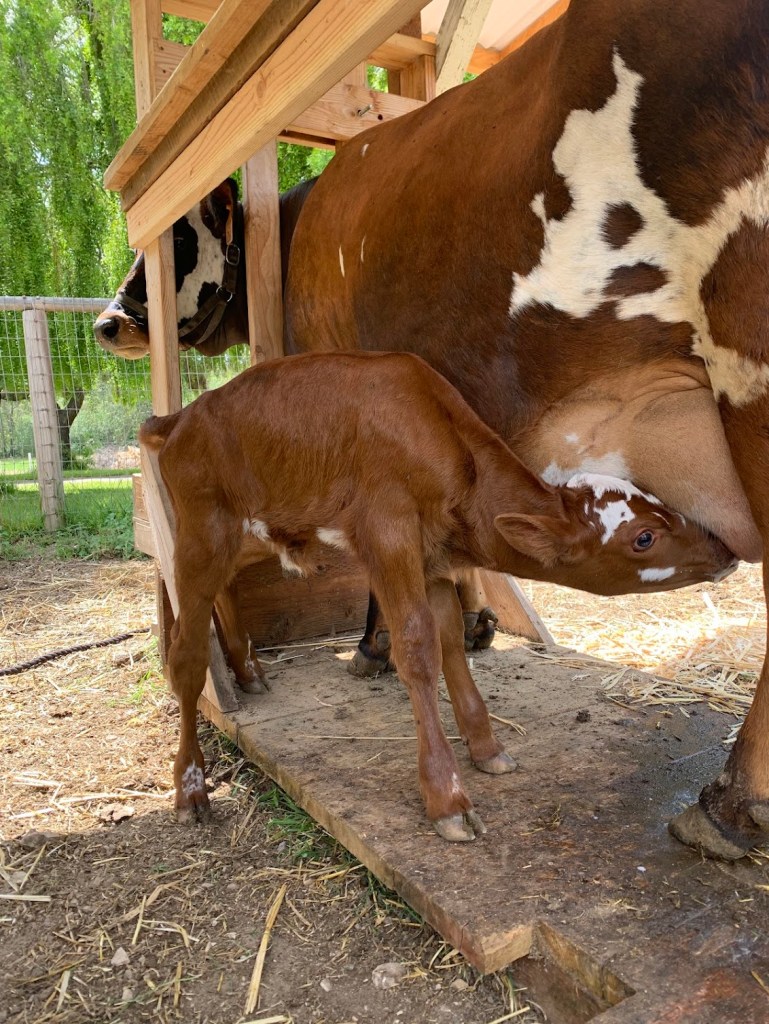
This was an area that I was not fully prepared for when we bought our first cow. Even with all of my research and planning, I somehow mistakenly thought that getting our cow bred was as easy as calling a vet out and do the job via AI… Reality is, YOU are responsible for tracking and knowing the exact 8-12 hour window every three-ish weeks that she is able to successfully get pregnant! Now, this does get easier as you get to know your cow-I promise. However, you will need research Heat Tracking or Estrus Cycle Tracking, and start recording all behavioral tendencies, milk supply fluctuations, and bodily discharge/changes to your cow as soon as possible. This task makes for great homeschool content as well! It took me several months to even catch her first cycle, and from there several more months to accurately predict breeding windows.
We aim to have our cows bred annually. Depending on the health of your animal, this may change year to year. The purpose of breeding annually is to keep your cows hormones on a somewhat rhythmic cycle. This also mimics natural heard tendencies. Hold loosely your ideal breading/calving schedule though. There are many factors that can throw off these dates by weeks and often months.
You will need to decide what your are going to do with the calves. This may (and probably will) look different year to year. You may choose to breed for diary cow genetics, or you may want to breed for beef. Our intention has always been sustainability for our family. Our first calf born on the property was bred to be a second dairy cow, and we still have her. Margot is currently pregnant, and we chose to breed her with an Angus, to eventually fill our freezer. If you are not wanting to raise your own beef, you may plan to sell any calves born.
do your research
The more you know about animal husbandry and home dairying before hand, the better equipped (and less overwhelmed) you will be when you jump into it. One of my favorite resources that helped prepare me is the book Keeping a Family Cow. Another one of my favorite resources is The Stockholder’s Manual by Reverence Farms. Though a bit pricey, the content included covers EVERYTHING you need to know, in a very detailed and approachable way. You owe it to yourselves and your future livestock to be informed as best as you can, so read up!
Now that you have an idea of what you will be getting into with owning a family milk cow, time to make some decisions. Are you prepared to put the time in for the chores? Will finances be hindrance? What work needs to be done beforehand to prepare your space for cows? As you consider these things, remember that home grown diary is a journey not a destination, so enjoy the process!

Leave a comment