For us, it all started with the pursuit of building healthier habits in the kitchen. As I dove deeper into the benefits of from-scratch cooking and the abundance of nutrition from cooking with REAL ingredients, I was delighted to discover that milk and dairy, in general, were not ALL bad or inflammatory! Sure, there are certain health complications that require restricting dairy consumption to benefit overall healing. I am a firm believer that our bodies were created to heal, and once in a healthy and balanced state, incorporating former inflammatory “triggers” like dairy into your diet is entirely possible! Here’s the catch- grocery store yogurt and drive-thru milkshakes don’t count.
a whole food powerhouse
Milk was designed to be consumed in its raw, whole state. Mentioned over 50 times in the bible, milk represented nourishment and prosperity, and was a staple in people’s diets dating back to the ancient Egyptians (and before). Unprocessed, whole, raw milk includes bioavailable vitamins, minerals, enzymes, beneficial bacteria, naturally occurring CLA and omega-3 fatty acids because it loses nothing, unlike processed milk which does lose most of those things in the pasteurization and homogenization processes. Modern dairying practices, and in some states legally required processes, eliminate most of these enzymes, kill the good bacteria, and restructure the milk molecules entirely in order to make the products produced more shelf stable and easy to sell. The end result is a product that is extremely hard on the digestive system, since the very enzymes and bacteria that were meant to help us break it down have been taken out! This leaves our bodies with an incomplete food source to process, which leads to inflammation and for some, complete intolerance of dairy altogether. In this study This study it concluded that pasteurization depleted up to 77% of the vitamin content after being processed. Yikes!
Bioavailable nutrients
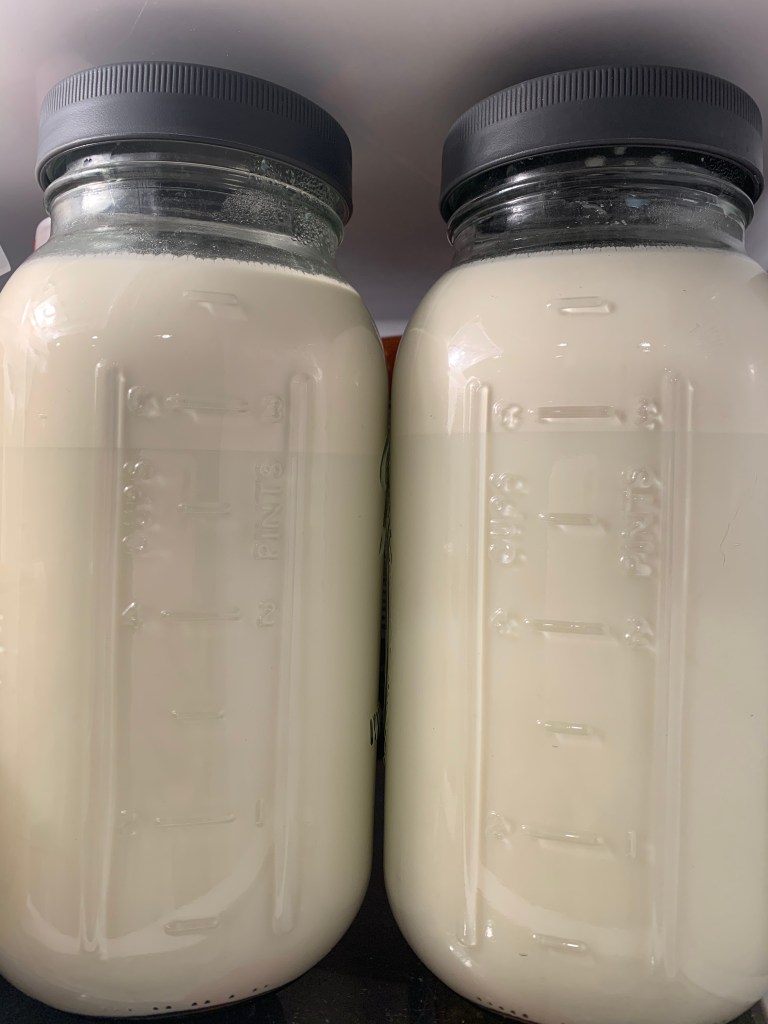
Milk is chock-full of nutrients like fat-soluble vitamin A, D, E and K2, vitamin C, all the B vitamins (especially vitamins B2, B6 and B12), and minerals like calcium, phosphorus and zinc as well as essential trace minerals. Levels of these vitamins will be higher if the cow is on pasture eating green grass. Raw milk supplies enzymes and carrier proteins to ensure that 100 percent of every nutrient is absorbed. Pasteurization and homogenization rob this wonderful food source of its superpowers-the ability to ABSORB and USE all of these wonderful nutrients.
Raw Diary Products
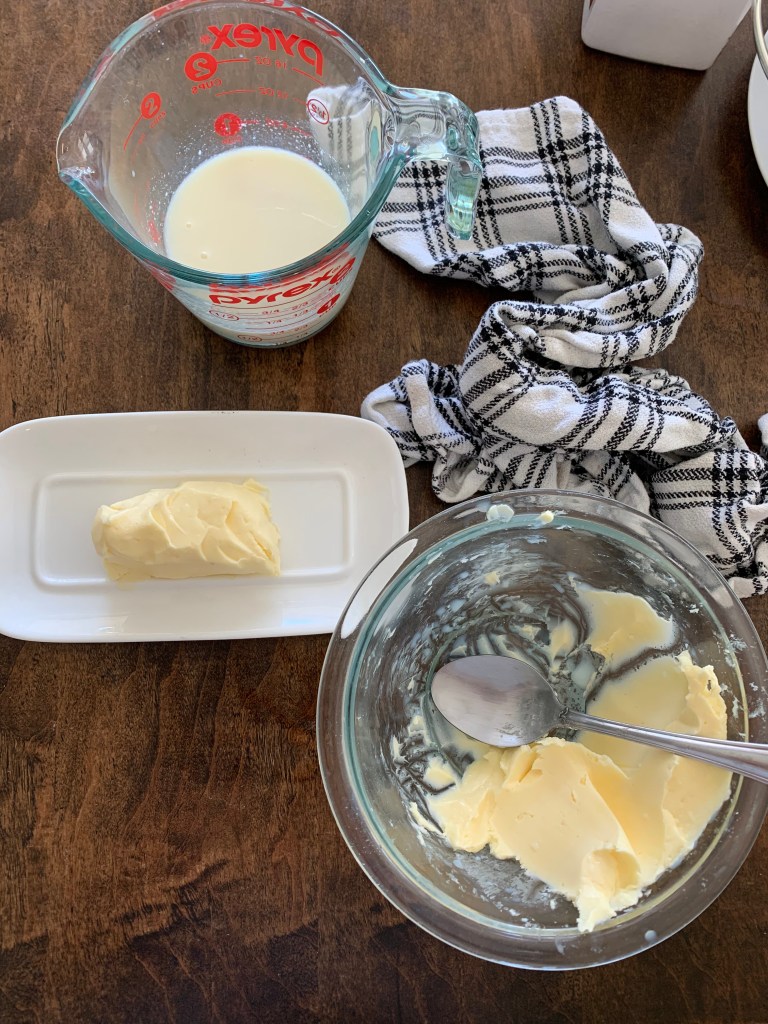
When working with raw milk, there is an (almost) endless list of products you can make with it! Before refrigeration, milk was an important staple for most people because of the many ways to ferment it. Leave it on the counter for a day, and you have the start of a clabber culture! With that clabber you can now go and make yogurt or cheese. Remember the nursery rhyme about Little Miss Muffet eating her curds and whey? What she was eating was essentially half-processed cheese. Cream cheese, cottage cheese, sour cream, butter, ice cream, yogurt… all of these products CAN be extremely nourishing when made with raw milk and whole food ingredients! When making these products with highly processed milk, not only are you missing out on the bioavailability of nutrients, there are additives that must be used in order to cause the processed milk to “behave”, since the molecular structure has been changed. It really is fascinating!
is it safe?
Now that we have gone over the nutrition of this product, lets talk about the controversial part-safety. As with anything else, I highly encourage you to do your own research, and decide what is best for you and your family. Some helpful places to start are; realmilk.com and rawmilkinstitute.org. In a nutshell, studies show that you are more likely to be struck by lightning, than to die from raw milk. So the odds are stacked in your favor! All jokes aside, it is helpful to remember how our ancestors kept milk and dairy products as a dietary staple for centuries. A little deep dive on the history of our modern dairy industry, compared to ancient/traditional dairying practices provides a lot of insight on the disputes against raw milk safety that we hear today.
where to get raw milk
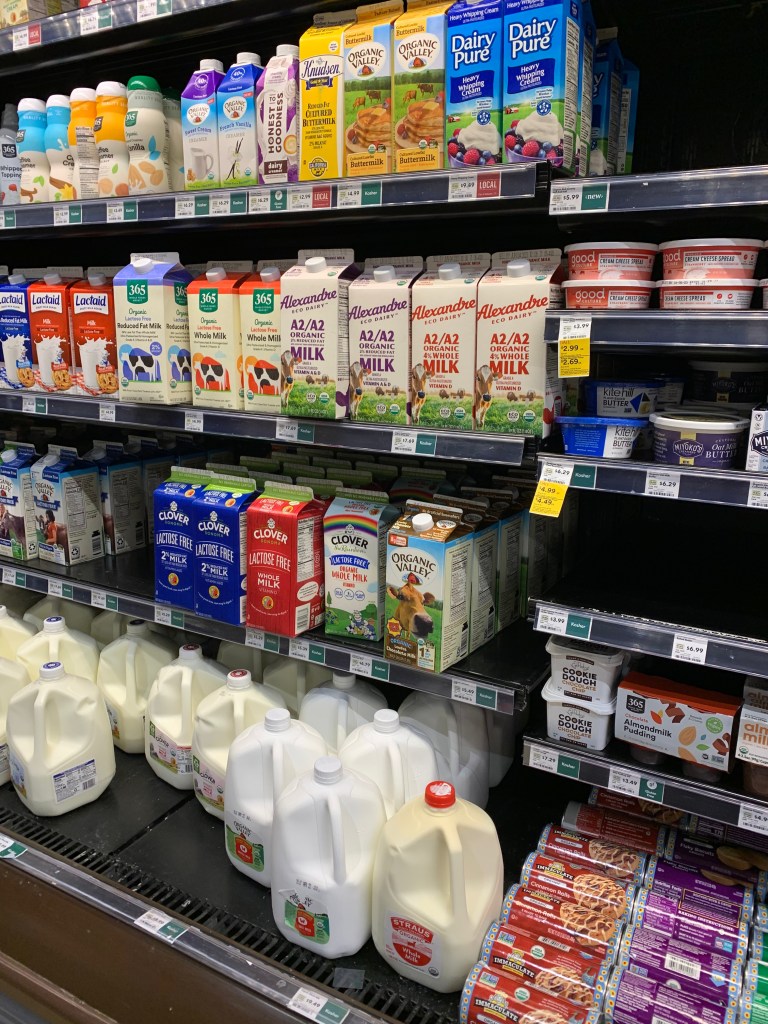
When looking to purchase raw milk, your options will vary depending on where you live. In some states where the sale of raw milk is not permitted, you may still be able to purchase milk directly from a farmer through a herd share program. Essentially you buy “shares” of the dairy herd, and this small piece of ownership enables you to purchase the milk. If buying milk from a grocery store, the product will have to have gone through some sort of processing in order to get it on the shelves. Though it may not be fully pasteurized and homogenized, there are less invasive procedures that diaries must adhere to in order to legally sell on grocery store shelves. While you will get the most nutrient dense milk buying directly from a farmer, there are dairies out there who genuinely care about the the quality and integrity of their products. It just takes a little research to find them!
Large scale dairy versus small farm
While there are several large dairies today who offer better quality raw milk, there are still several considerations to take into account when deciding where to purchase your milk. A large dairy with integrity and the best intentions will still face some challenges when working with livestock on a large scale. While sanitary practices and procedures are required for safety, the reality of moving hundreds of cows on and off machine milkers twice a day is that there WILL be sediment accumulated while milking. Sediment comes in the form of hairs, manure, pus and tissue debris. When working with dairy stock on a large scale, their udders are usually washed by machine, which hardly takes into account any sort of injury to the udder. This is why thermal sanitation procedures are required to “kill” any harmful bacteria from these contaminants, that will inevitably make their way into a large milk holding tank.

Handling cows and milking on a small scale farm also looks much different. Individual animals are monitored much more closely. Udders are hand washed and carefully inspected before each milking, and each container of milk is from one cow, or a few cows, as opposed to milk from a hundred cows mixed into one single holding tank. If there is injury to a teat, that quarter of the udder is not milked out into the consumable milk bucket. After milking by hand or assisted with a machine, the milk is strained by hand (not through tubes and piping like at a large scale dairy) through a sterile filter and placed immediately into refrigeration.
Lastly, there are many differing opinions around humane and proper herd management. These are all things to consider as a consumer, when comparing dairies or companies to buy from. I am passionate about the importance of knowing where your food comes from, and connecting with our food sources as much as possible. As consumers, it is our responsibility to know what we are putting into our bodies, and where it came from. We will all have different convictions and concerns surrounding our food sources. The important part is to be informed.
buying a family milk cow
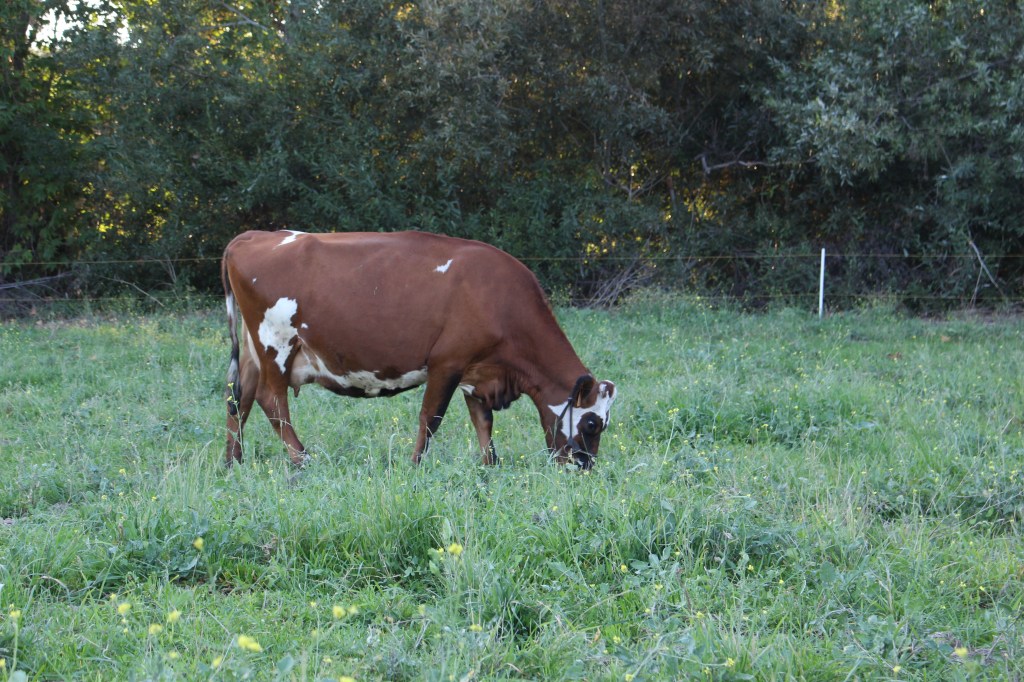
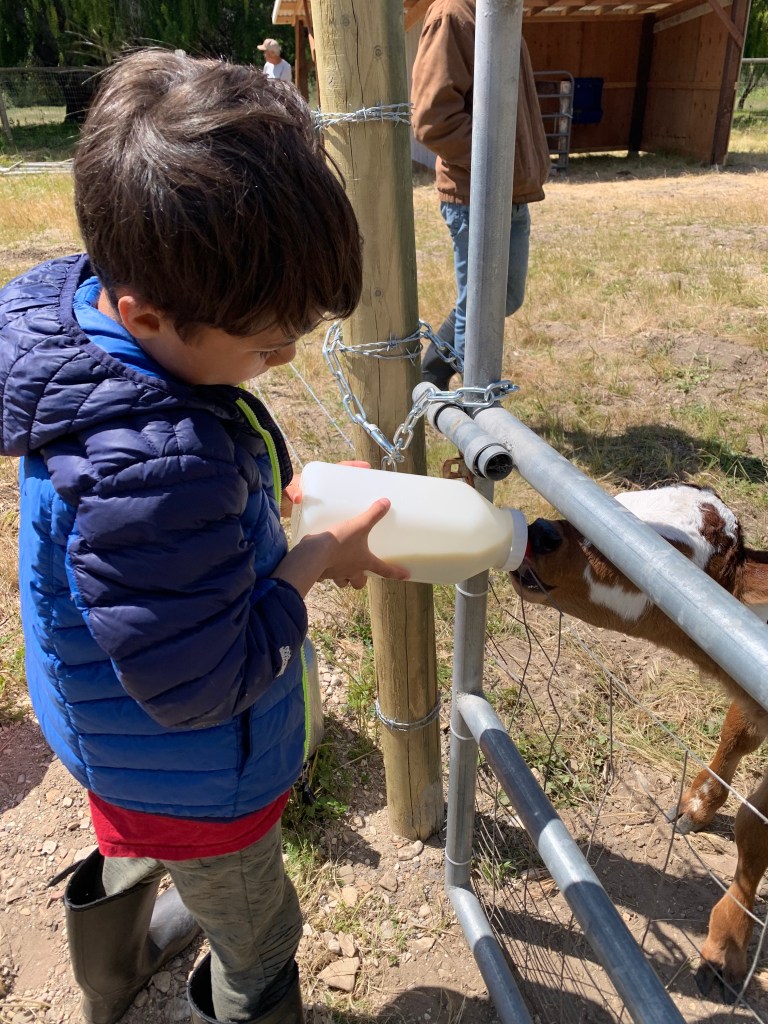
Keeping a family milk cow has been one of the most wonderful and dynamic learning experiences on our farm. While the responsibilities of caring for a dairy cow are considerable, the benefits are more than worth it!
A few things to account for when thinking about taking on a family milk cow are;
Space: Do I have adequate space to house a large animal? Ideally half an acre per cow if feeding hay, more if she will be on pasture.
Schedule: Are you able to set aside time around the same time, every day to milk? How many milkers will there be in your household to share the burden of this chore? Do you have friends who might be able to take on milking responsibilities when you are out of town?
Cost: While there are many ways to offset feed costs and creative ways to provide inexpensive shelter and fencing, there are still expenses involved in owning livestock. Have you taken all aspects of your property and set up into considerations and created a budget?
There are so many options when it comes to creating a functional dairy cow set up. Sometimes it just takes a little creativity and a strong community to make it happen! Everyone’s set up looks a little different. It is important to take into consideration YOUR lifestyle, means and abilities when planning yours out.
give it a try
Raw milk is such an robust source of nutrition and a delicious staple food in our home. Who needs protein powder when you can just grab a glass of milk?! Once you have tasted farm fresh milk, its hard to go back to store bought. Ladle the cream off the top and froth that right into your hot cup of coffee, mornings wont be the same!

Leave a comment