So you want to get into gardening. But where to begin? Learning how to plant and maintain a garden may seem like quite the feat, but be encouraged! The skills and knowledge acquired by growing some of your own food are well worth the efforts in learning them. While you may not consider yourself to have a “green thumb” just yet, with a little passion and perseverance, your thumb will be as “green” as the Jolly Green Giant in no time!
To keep things simple, consider what I like to call “The Four W’s” as you dive into the world of gardening.
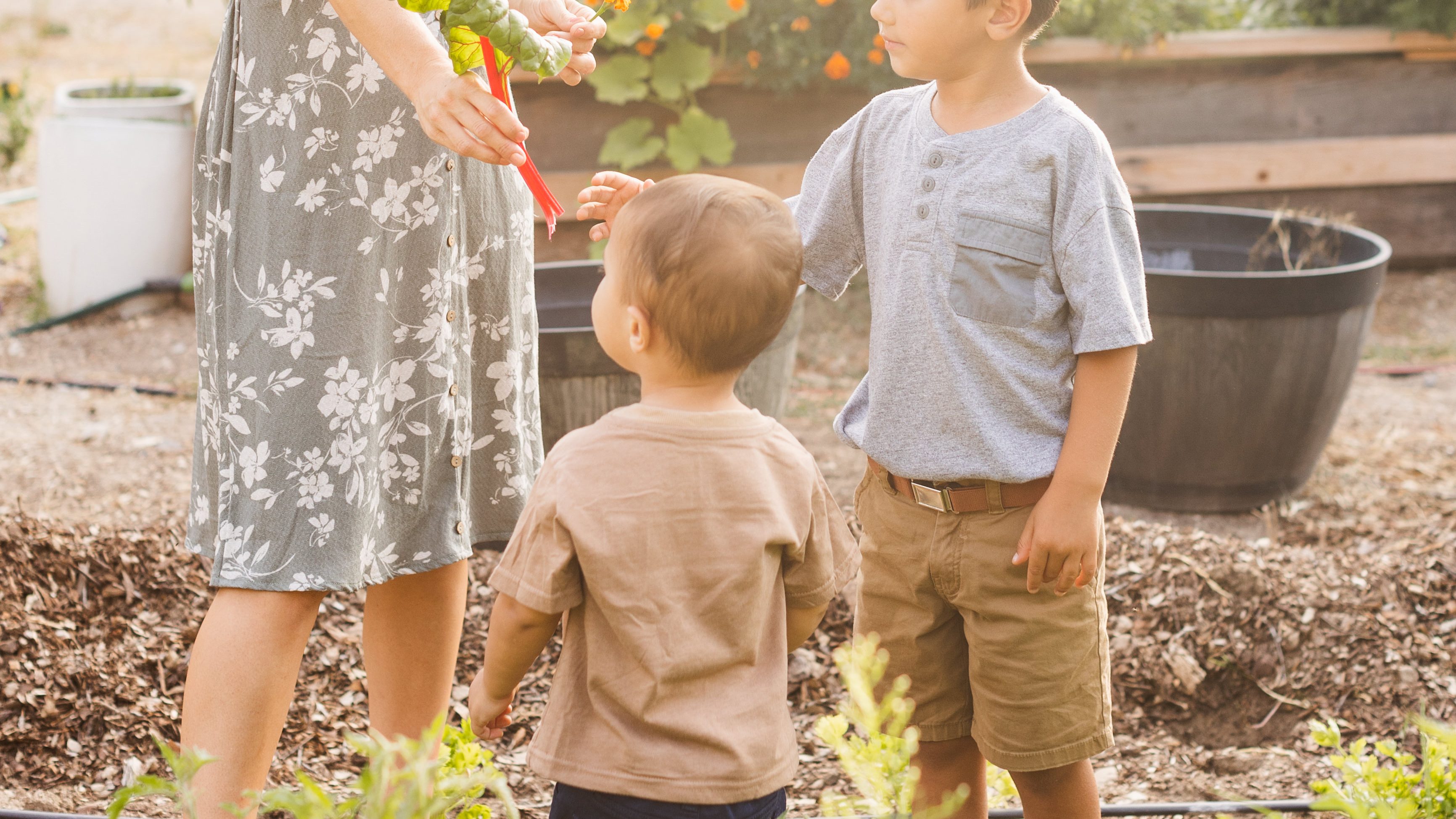
- Define your “Why”. Are you wanting to grow fresh herbs to compliment your homemade dishes? Maybe you want to try your hand at making fresh salsa, or canning your own marinara sauce. Are you hoping to replace a few items on your grocery list each week? Or, are you wanting to replace MOST of the items on your grocery list? The possibilities are endless! It is important to set realistic expectations as you are learning something new, so choose an attainable “why” that matches your current experience level and the time that you’re willing to invest. Remember, your garden will look different year to year and season to season.
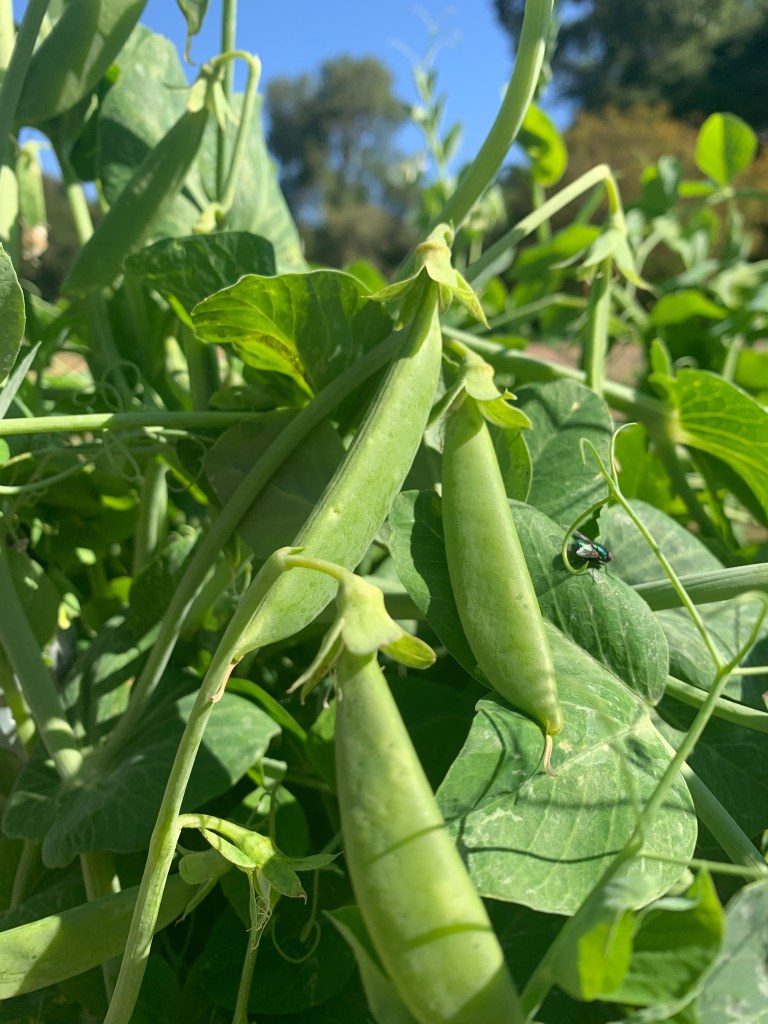
- “What” are you going to grow? While it is quite fun to browse the library of beautifully packaged seed packets at your local hardware store, it is easy to over-buy seeds for produce you will likely not eat. Yes, the grilled Okra you ate at that BBQ last summer was delicious, but is it worth the effort, space and time it will take to grow it yourself? Maybe you purchase carrots and celery every single week because your family snacks on those items often. Bingo! There is a start to your seed list.
What I have found helpful is to create a list of my most frequented meal plans, break it down to an ingredients list, then look for the most common ingredients consumed by your family. If some of them can be grown in your area, those are the plants you should focus on growing first. Follow the link to access my free printable template to make this process as simple and easy as possible.
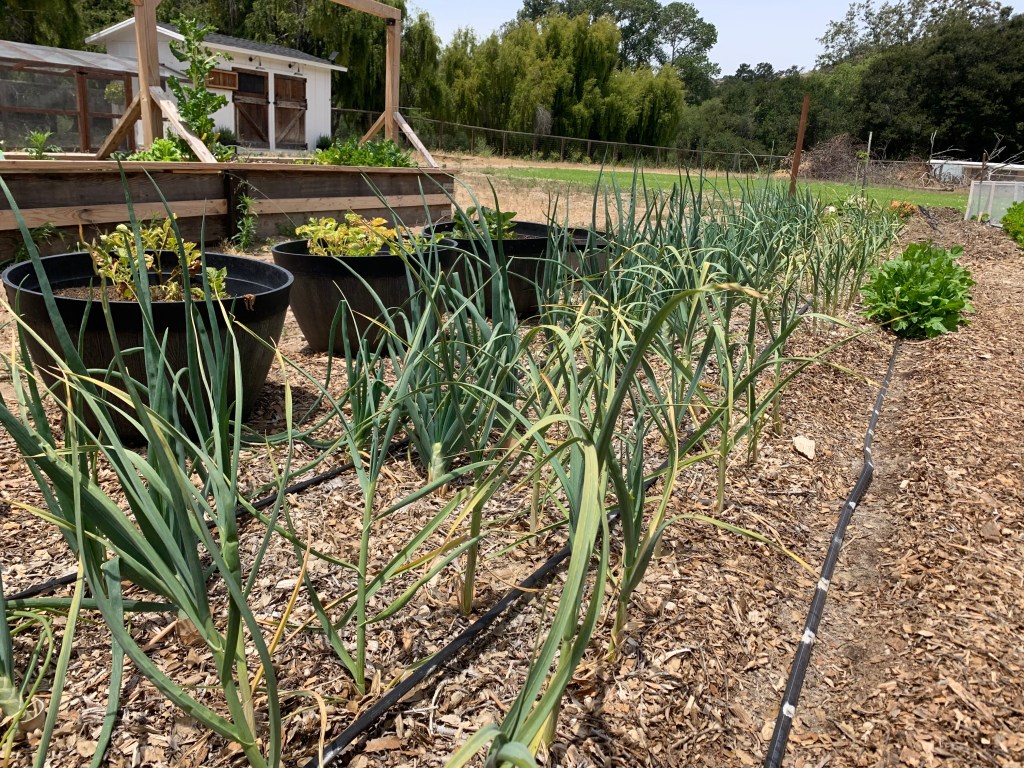
- “Where” will your garden be located? Whether you are in an upstairs apartment in the city, or live on acreage in the country, EVERYONE can grow some of their own food! If a sunny window is all you have, maybe your focus will be on herbs and greens. (Click HERE to learn more about Creative Indoor Gardening).
Here are a few items to consider when selecting a garden location:
–Sunlight (How many hours of full sun exposure does this area receive per day?)
–Pests (Above ground munchers, burrowing root munchers, pets, etc.)
–Soil (How will the soil need to be amended to accommodate what you are wanting to grow?)
–Water (Is your location near a water source?)
If you live in the country and you have deer or other grazing garden pests, you may need to install a fenced area or caged planter boxes. Maybe gophers or other ground pests wreak havoc on your landscaping. You will need to consider the appropriate infrastructure to combat these critters as well (raised beds or underground wire barriers are great options).
Unfortunately nowadays when it comes to dirt, most soil is “dead” soil and will need to be amended in order for anything to grow well. I highly recommend having a professional soil test done before starting your garden venture. These tests can be obtained at your local Agricultural Extensions Office. If a professional soil test intimidates you, at home kits are also available. HERE is one I have used and found to be very helpful. Once you have determined what soil type you are working with and which nutrients are lacking, you can amend your garden beds appropriately. If you are anything like I was in the beginning and just want to throw all caution to the wind and start planting immediately, you’re not alone. At the very least, be sure your soil has adequate drainage but enough organic matter to hold moisture for more than a day or so (think not too much clay, not too much sand). Then toss a bag of compost or top soil in the mix and see how it goes!
Will you be watering your garden by hand? While this is a very therapeutic practice, it is also extremely time consuming. If you will not have the time to hand water, consider which irrigation option best suits your needs. An easy, beginner-friendly option is to use soaker hoses that connect directly to a water spigot. For more information on irrigation options, see (irrigation options article). Irrigation was the biggest learning curve for me when I started gardening. My advice is to keep it simple in the beginning, and refine your system as your skillset (and garden) grows.
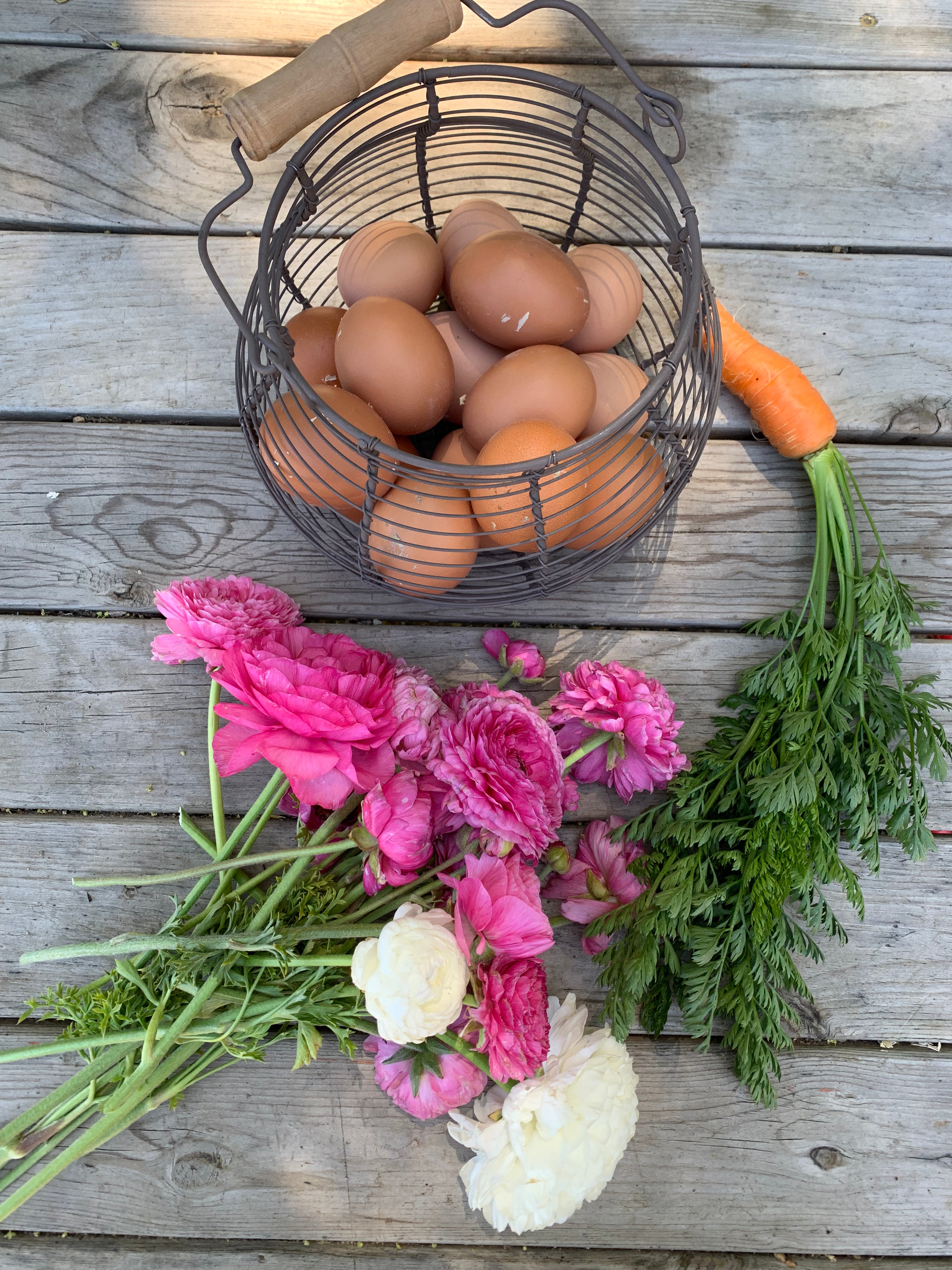
- “When” will you be starting your garden? You can start a garden during any season of the year. Did you miss the Spring planting window? That’s okay! There are plenty of Fall and even Winter crop (in most climates) options. You are never too late in the season to start. You are just early to prepare for the next season’s garden! The most important thing to take into account when planning, would be your hardiness zone (find that information HERE using just your zipcode), and the planting windows associated with your zone. Most seed packets will tell you when to direct sow seeds into the ground, or start them inside based on each Hardiness Zone. Depending on the time of year, some of the veggies you want to grow may need to be started in pots indoors. If you are a little late in the season to start seeds, there’s no shame in buying plant starts from the hardware store! While this may not be the most cost efficient way to grow your own food, you will learn something every time you grow (or kill) a plant. So consider these little investments into your future gardens.
Gardening has been one of the most intuitive human practices throughout history. It is a key survival skill, really. With that in mind, be encouraged as you begin your gardening journey! It is time we revive those generational skills and allow gardening to be a common practice again. Some crops will succeed, some will fail, and that’s okay! Enjoy the process and know we were designed to do this.
Now that you have some direction, it’s time to go get your hands dirty. Happy planting!
 Heirloom Story
Leave a comment